Showing posts with label aging. Show all posts

Wednesday, December 22, 2021

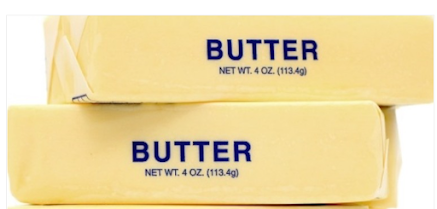
Aging and crystallization of butter

Aging of cream is an important process to manage production time and to produce butter with consistent quality.

Hardness of butter can be customised by changing the aging parameters of the cream. Cream can be aged at higher temperature with low agitation without altering the butter hardness.

Fat crystallization in cream during aging is an important process that affects churning time, texture, and mouthfeel of butter. During the aging process, liquid oil in the milk fat globules in cream start crystallizing. The amount and size of crystals in cream can be controlled by processing conditions such as crystallization temperature, cooling rate, and agitation rate.

Crystallization of milk fat in cream is essential for butter making to form a continuous fat network during churning. The crystals bind the liquid fat to their surface by adsorption.

The crystallization mechanism relevant for crystallization of milk fat is the nucleation and growth mechanism. Nucleation consists of primary and secondary nucleation. Primary nucleation can occur homogeneously or heterogeneously.

Homogeneous nucleation occurs when nuclei are formed without pre-existing crystals, whereas heterogeneous nucleation occurs when nuclei are formed by foreign substances, such as air bubbles, dirt, or a scratch on the wall. Secondary nucleation is induced by preexisting crystals.
Aging and crystallization of butter
Thursday, September 06, 2018

Aging process of cheese

In its final stage of production, cheese is set out in a controlled environment to age The cheese is stored in a place of proper temperature and humidity for aging also known as ripening. Some cheeses are aged for a month and some are aged for several years. The length of the aging period in the plant was determined by expert elicitation.

Cheesemakers manage its temperature, humidity, and bacteria population. During the aging process, the starter bacteria again become active as they break the casein protein and milkfat into fatty acids, amines, and amino acids.

The degree of protein decomposition significantly affects the quality (consistency and taste) of the cheese. It is during this process that Swiss cheese gains its signature holey appearance, as its bacteria produce carbon dioxide gas bubbles.

Biochemical changes in cheese during aging may be grouped into primary (lipolysis, proteolysis and metabolism of residual lactose and of lactate and citrate) or secondary (metabolism of fatty acids and of amino acids) events. Residual lactose is metabolized rapidly to lactate during the early stages of aging.

Additional bacteria are often introduced (either applied directly to the cheese or made present in the air) to further manipulate the cheeseʼs final taste and consistency.
Aging process of cheese

Sunday, February 02, 2014

What are the advantages of aging process of wine?

Aging is letting a wine sit for a period of time, from a few weeks to several years to several decades, either in a tank, barrel or bottle.

Most home winemakers start by aging their white wines and small batches of red wine in carboys and later move up to barrels, at least for some reds. Either way makes excellent wine, with stylistic and budgetary differences.

There seems to be two main advantages to aging wine. The first is the smoothing characteristics of aged, quality red wines. Most wines mature when they age, allowing aromas and flavors to develop and integrate. 

Second is the sense of exclusively involved in drinking old wines. The prestige connected with aging-potential adds greatly to the desirability and appeal of a wine.

Very old wines are appealing to consumers more because of their historical appeal than because of gastronomic factors.

It also permits consumers to participate in the process, through the conditions and durations of aging they permit.

Because the factors affecting aging are poorly understood, a mystique has built up around vineyards and varieties associated with wines that age well.

Aging of white wine has an impact on color and flavor. Young wines are pale and even green-tinged in color and are usually generally fruity in nature. Aged whites become darker in color and lose their fresh fruit character, taking in different flavors.

Red wines change in color and flavor as well but also may change in terms of the amount of astringency. Color in red wine may change from bright red to brick red to brown as it ages.

Wine aging requires an investment of time and money on the part of winery. Wines that have extended aging time will almost always have a higher price point in the retail market.
What are the advantages of aging process of wine?

Tuesday, November 19, 2013

What happens during process of aging wine?

After alcoholic fermentation, aging is the next most major important stage of the wine production process. Aging changes the character of a wine in many of the same ways that it changes the character of human beings: they become deeper, more mellow and more complex.

Based on the style of wine, aging time may vary, and it may be a few months to several years.

Traditionally, aging is carried out in oak barrels that are stored in damp cellars where humidity protects the barrels from drying. Aging in barrels may also be for only a limited time and then the wine may be transferred to larger casks or tanks for further aging.

Biological aging 
There are two main types process for aging: biological aging and oxidative aging. The biological aging process involves various changes in wine composition.

Such changes are essentially the result of the metabolism of flor yeast and to a lesser extent, of other phenomena common to all types of aging processes including crystal precipitation, chemical reactions between wine components and extraction of substance from cask wood.

During this time, the wine undergoes malolactic fermentation and often develops a thin layer of yeasts on its surface.

Flor yeasts can undergo autolysis during biological aging of wine. This biochemical process occurs under special conditions such as those in wines stored and aged in contact with yeasts for months or even years. The yeast coming from either from grapes or previously used barrel.

Oxidative aging 
The oxidative aging occurs without flor yeast activity. During the aging process, some of the substances responsible for the fruity character in the one are oxidized by oxygen.

Barrel wood plays a role as a type of tissue of semi-permeable membrane to oxygen, allowing it to be incorporated into the wine at just the right rate.

A small amount of oxygen in an aging wine helps tannin, molecules polymerize and settle, softening a wine’s body and making it less bitter.

The aging process improves the overall quality of wine, including aroma, color, clarity, taste and mouthfeel. 

Different flavor and aroma enhancing compounds are formed during aging, and in the traditional aging process, the wooden barrel used for storing the wine also contributes to improving the flavor; especially, gives an oaky flavor to aged wine. The aging of wine success depends on a number of physical, chemical and biological factors.
What happens during process of aging wine?

Most Popular Articles

BannerFans.com