Sour cream is a popular dairy product produced through the fermentation of high-pasteurized cream. This process begins by pasteurizing cream at high temperatures to eliminate harmful bacteria. The cream is then homogenized at a relatively low temperature (60-65°C). This temperature is preferred as it promotes the formation of fat clusters, which during the ripening phase, flocculate, thereby increasing the viscosity of the product and enhancing its texture.
Starter cultures play a crucial role in the fermentation process of sour cream. Aromatic starters, such as Lc. lactis subsp. lactis biovar. diacetylactis and L. mesenteroides subsp. cremoris, are typically used. These cultures are added to the cream, which is then incubated at a stable temperature of 22°C. During incubation, the cream develops titratable acidity, along with the desired body and texture. This incubation process usually takes about 10-12 hours to reach the optimal acidity levels.
Sour cream's versatility makes it a staple in various culinary applications. It is commonly used as a thickener in soups and hot sauces, adding a rich, creamy texture without curdling under heat. Additionally, it is a favorite accompaniment for warm entrees such as baked potatoes and burritos. For these uses, it is essential that sour cream remains viscous and does not separate into whey when placed on warm food, ensuring a consistent texture and taste.
The modern production of sour cream continues to balance traditional methods with technological advancements, ensuring a high-quality product that meets consumer expectations for flavor and consistency.
Understanding the Manufacturing and Uses of Sour Cream
Showing posts with label sour cream. Show all posts
Showing posts with label sour cream. Show all posts
Monday, March 23, 2026
Tuesday, July 23, 2024
The Science and Art of Sour Cream Production
Sour cream, a staple in many culinary traditions, is produced by the souring of pasteurized cream through the action of lactic acid-producing bacteria. This transformation is a fascinating interplay of biology and chemistry. The bacteria feed on lactose, the sugar present in milk, converting it into lactic acid. As lactic acid accumulates, the acidity of the cream increases, leading to coagulation and the formation of the thick, tangy substance known as sour cream.
The process of making sour cream can vary depending on the desired fat content and culinary application. Cream can be fermented using a DL starter culture, an undefined mesophilic mixed culture, which promotes a robust fermentation process. The primary flavor compound in sour cream, diacetyl, is a product of this fermentation, contributing to its distinctive buttery taste.
Recent advancements in food science have improved the consistency and safety of sour cream production. Modern techniques ensure that sour cream not only meets high-quality standards but also retains its traditional flavor and texture. These innovations have expanded sour cream's versatility, making it an essential ingredient in a wide range of dishes, from savory dips to baked goods, highlighting its unique ability to enhance both taste and texture.
The Science and Art of Sour Cream Production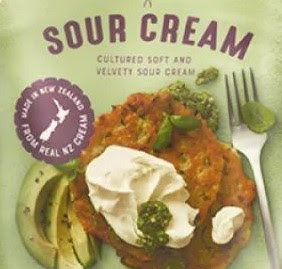
The process of making sour cream can vary depending on the desired fat content and culinary application. Cream can be fermented using a DL starter culture, an undefined mesophilic mixed culture, which promotes a robust fermentation process. The primary flavor compound in sour cream, diacetyl, is a product of this fermentation, contributing to its distinctive buttery taste.
Recent advancements in food science have improved the consistency and safety of sour cream production. Modern techniques ensure that sour cream not only meets high-quality standards but also retains its traditional flavor and texture. These innovations have expanded sour cream's versatility, making it an essential ingredient in a wide range of dishes, from savory dips to baked goods, highlighting its unique ability to enhance both taste and texture.
The Science and Art of Sour Cream Production


Subscribe to:
Posts (Atom)
Most Popular Articles
-
Dairy products comprise substantial part of total sodium intake in the diet. Various types of cheeses, ayran and butter contain varying leve...
-
 Essential oils are concentrated, aromatic liquids extracted from various parts of plants, including flowers, leaves, stems, bark, roots, see...
 -
 Pectin is a family of complex variable polysaccharides extracted from the primary cell wall of higher plants. Apple pectin is a hydrophilic ...
 -
 Yes, alcohol can indeed be made from dates using a traditional process known in some cultures as Dakhai. This method utilizes the natural s...
 -
 It is a fermented milk drink which has its origin in the Caucasus Mountains of Russia. Kefir can be made from any type of milk, cow, goat, s...


