Showing posts with label food quality. Show all posts

Friday, August 06, 2021

Extension of shelf-life by thermal processing

The various forms of microbiological spoilage are preventable to a large degree by a wide range of preservation techniques, most of which act by preventing or inhibiting microbial growth.

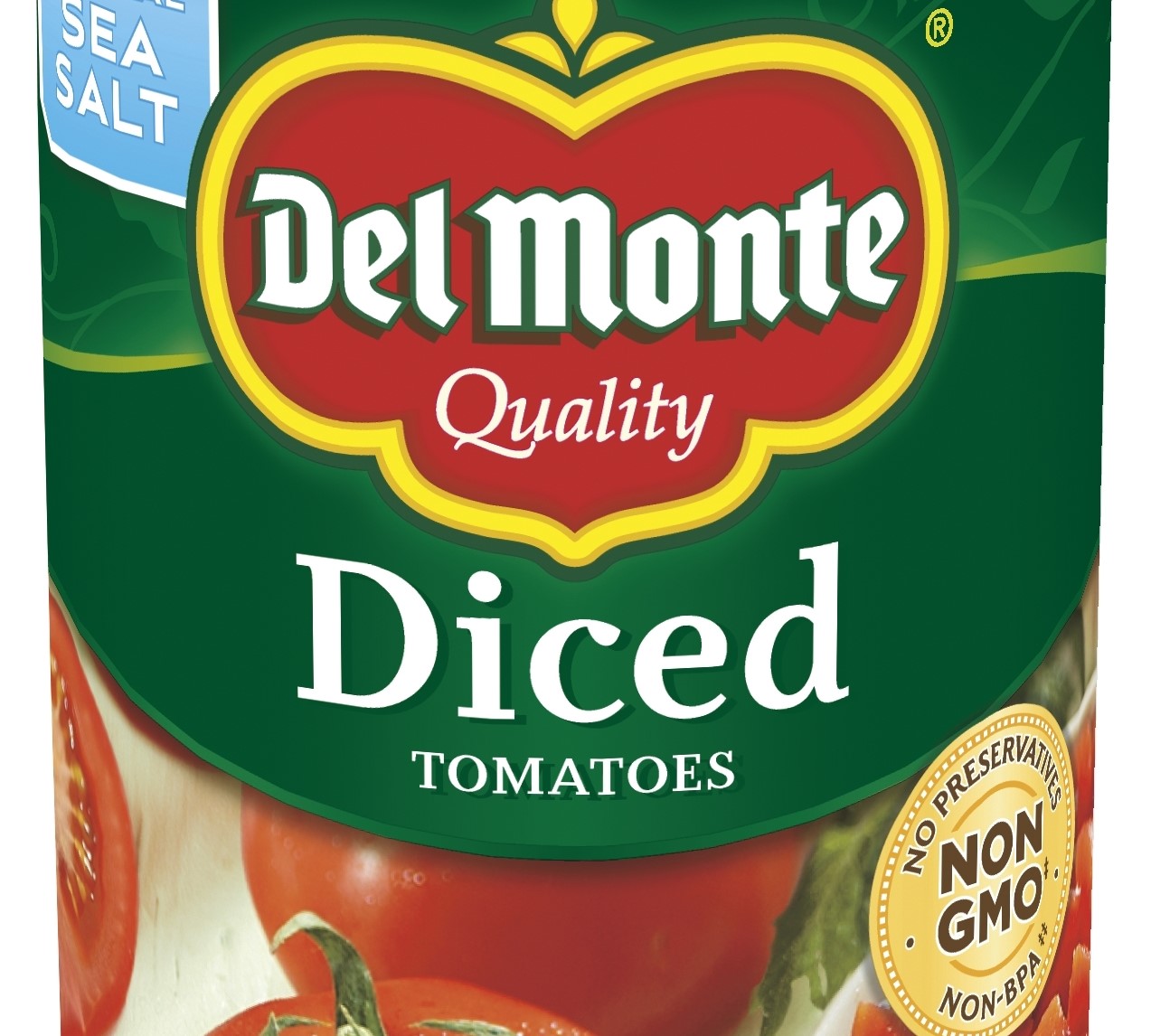
Canning involves packing a food in a container and supplying sufficient heat treatment to kill spoilage organisms or pathogens that may present. It is a method of preserving where food is placed in airtight, vacuum-sealed containers and heat processed at 121 °C.

Thermal processing like canning process is a suitable method to prolong the shelf life of fruits, such as date fruit, which has some benefits, including: artificial maturation, destroying insects, reducing the microbial load, inactivation of enzymes (e.g. pectinase), and reducing tannin.

Commercial canning is done under tightly controlled conditions — careful sanitation and the necessary time and temperature under pressure, but there are still limits to how long it will preserve food. There are several factors that limit the shelf life of canned foods. First, cans can rust over time. Shipping accidents, where cans fall and dent or are crushed, also cause container problems.

Heat preservation (canning) provides a shelf-stable product, but usually at the cost of colour, flavour, and texture. Heat treatment, however, leads to destruction of freshness and nutrient losses.
Extension of shelf-life by thermal processing 
Tuesday, May 03, 2016

Food processing effects on nutritional quality

The basic food preservations methods used by early man are still utilized today.

These and other methods are listed below:
Heat processing: blanching, canning, pasteurization
Drying
Freezing
Fermentation
Milling
Use of microwave ovens
Irradiation
Use of food additives
Nutrient addition
Packaging and storage

An analysis of these processing techniques reveals both favorable and unfavorable effects on nutritional quality.

On positive side, heat processing destroys anti-digestive factors such as trypsin and amylase in cereal grains, peas, and beans, thus improving the bioavailability (digestibility) of the proteins and carbohydrates in the products.

Heat processing also destroys thiaminase, which destroys thiamin in fish, shellfish, brussels sprouts, and red cabbage, and destroys the avidin and other factors in raw eggs white that would otherwise bind biotin and make these nutrients biological unavailable.

Heat processing increases the digestibility of starch and protein by gelatinization and denaturation, respectively and it increases the bioavailability of niacin which is present in many cereals in a bound form.

Heat processing also increases the palatability of food, resulting in increased appeal and nutrient consumption.
Food processing effects on nutritional quality 

Friday, December 21, 2007

Food Processing

Food Processing
Food processing began thousands of years ago when early man preserved his harvest, fresh meats and fish for winter reserves by drying in the sun, later expanding this to smoking and salting these foods.

Our forefathers labored continually, because seasonal availability and climate necessitated strict attention to schedules. Fruit need to be picked at the right time, animals had to be slaughtered when and where they could be found processed quickly. Inefficient preservation techniques, poor harvest yields, and danger of contamination were common factors limiting the nutritive value of their diets.

While some progress had been made, the diets of man at the time America was settle were still inadequate. Vitamin C, for example, was often in short supply during winter and spring. Primitive techniques utilized in processing, such as drying and pickling, were quite destructive with the skill of the processor, then quality of the ingredients, the technique, and the weather.

Today however, in addition to providing a plentiful supply and large variety of foods throughout the entire year, our modern sophisticated commercial food processing techniques assure a safe, wholesome, and nutritious food supply. Commercial processing preserves food quality and extends shelf life by destruction of food spoilage and disease causing microorganisms. Furthermore processing destroys certain enzymes, occurring naturally in foods, which could otherwise promote spoilage or reduce nutritive value.

It also preserves the desirable sensory qualities of foods, i.e., flavor, odor, texture and appearance. Home processing results in a more variable product than commercial processing and nutrient losses are frequently higher. However processing is essential, since the concentrations of various nutrients decrease in unprocessed foods and eventually wholesomeness is lost.
Food Processing

Most Popular Articles

BannerFans.com