Showing posts with label thermal. Show all posts

Friday, August 06, 2021

Extension of shelf-life by thermal processing

The various forms of microbiological spoilage are preventable to a large degree by a wide range of preservation techniques, most of which act by preventing or inhibiting microbial growth.

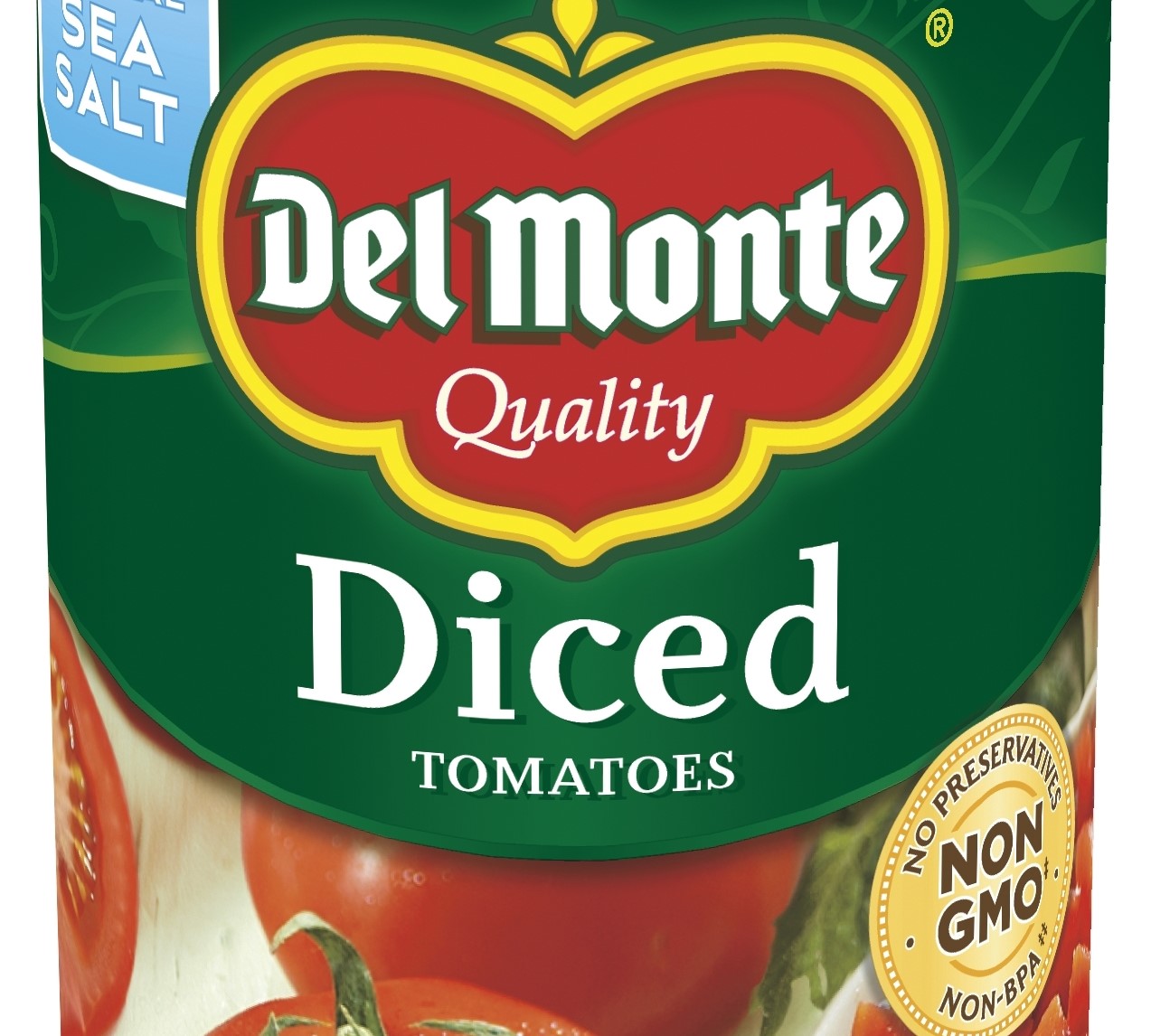
Canning involves packing a food in a container and supplying sufficient heat treatment to kill spoilage organisms or pathogens that may present. It is a method of preserving where food is placed in airtight, vacuum-sealed containers and heat processed at 121 °C.

Thermal processing like canning process is a suitable method to prolong the shelf life of fruits, such as date fruit, which has some benefits, including: artificial maturation, destroying insects, reducing the microbial load, inactivation of enzymes (e.g. pectinase), and reducing tannin.

Commercial canning is done under tightly controlled conditions — careful sanitation and the necessary time and temperature under pressure, but there are still limits to how long it will preserve food. There are several factors that limit the shelf life of canned foods. First, cans can rust over time. Shipping accidents, where cans fall and dent or are crushed, also cause container problems.

Heat preservation (canning) provides a shelf-stable product, but usually at the cost of colour, flavour, and texture. Heat treatment, however, leads to destruction of freshness and nutrient losses.
Extension of shelf-life by thermal processing 
Sunday, April 23, 2017

Plate heat exchangers

In transmural heat exchangers, a wall (tubular, plate, or some other non-circular geometry) separates the hot and cold fluids streams, and heat exchange between them takes place across this interface. Plate heat exchangers are made from stacks of plates onto which a pattern of corrugation has been pressed.

This stacked-plate arrangement can be more effective in a given space, than the shell and tube heat exchanger.

Plate heat exchangers are less widely used than tubular heat exchangers but offer many distinct advantages and unique application features including:
*Flexible thermal sizing (plates can simply be added or removed to meet varying batch processing heat-load demands)
*Easy cleaning for sustaining extreme hygienic conditions
*Close approach temperature pure counter-flow operation
*Enhance heat transfer performance
Plate heat exchangers are used in a number of applications involving boiling. They are used in both large and small scale refrigeration systems, with either or organic refrigerants. In refrigeration applications the exchanger can be in either the ‘flooded’ or ‘dry’ evaporator.

In the food industry, plate heat exchangers are used in concentrating products by evaporating off water. Liquid foods such as milk, fruit juices, beers, wines and liquid eggs are pasteurized using plate-type heat exchangers.
Plate heat exchangers

Wednesday, November 27, 2013

Caramelization

Sugars, polysaccharides, polyhydroxycarboxylic acids, reductones, alpha-dicarbonyl compounds and quinines will undergo browning in the absence of amino acids.

When concentrated solution of sugars is heated to temperatures above 100 ° C, various thermal decomposition reactions can occur leading to formation of flavor compound and brown-colored products. When sucrose is heated to about 135 °C it melts and turns brown.

This process is called caramelization. Many carbohydrates undergo this process. Caramelization is accelerated by carboxylic acids and their salt, phosphate and metallic ion, but even when catalyzed, the energy requirements exceed those of a sugar-amine reactions.

If heating is continued the sugar becomes darker still, and eventually very pure carbon is obtained.

During caramelization, the first reaction step is the reversible isomerization of aldoses or ketoses in their open chain forms to form an enediol intermediate. Caramel has an attractive bitter sweet taste and a typical aroma.

This forms the basis of a whole industry dedicated to the production of caramel colors for food use, e.g. in cola beverages, beers, gravy browning.
Caramelization

Tuesday, July 30, 2013

Food thermal processing

Heating the food is one of the oldest and most reliable methods of food treatment that has substantially contributed to ensuring sustainable supply of food.

In thermal processing foods are heated for a number of reasons, the main ones being to inactivate pathogenic or spoilage microorganism. Other reasons include inactivation of enzymes.

In fruit and vegetable processing, thermal processing operations, such as blanching, cooking, pasteurization, baking, grilling and sterilization, convert the living into non-living tissues.

Numerous methods exist for thermal processing of foods. Some of these techniques included the use of steam injection, steam infusion, tubular heat exchangers, shell and tube heat exchanges, plate heat exchangers, microwaves heaters and radiofrequency heaters.

Optimization of thermal processing is possible, since the rate of destruction of spoilage microorganisms and enzymes is faster than the rate of quality deterioration.

While thermal processing of liquid food materials always results in biochemical changes, depending on sterilization time and temperature. These changes include the change in food color, which is associated with heat treatment of the food.

It also can alter the taste, aroma and texture, and can also lengthen the shelf life. A large number of the processes taking place in foods during heating are based on non-enzymatic browning i.e. the Millard reaction.
Food thermal processing

Friday, March 26, 2010

Thermal Processing

Thermal Processing
Thermal processing involves heating foods in hermetically sealed containers for a specific time at a specific temperature to eliminate the microbial pathogens that endanger public health and microorganism. And enzymes that deteriorate food during storage.

Credit for the inventions of thermal processing (or canning, as it was originally called) goes to Nicholas Appert, a French confectioner.

The original concept of in container sterilization of foods, however, has come a long way since Appert first introduced “the art of caning” in 1810.

As introduced and developed in the initial stages, the primary focus of caning was safety and shelf stability.

Today, however the consumer demands much more than just safe and shelf-stable food - including, primarily, higher quality food with greater convenience in the end use.

And food processors look for more energy-efficient, cost effective and high speed processing technologies.

High temperature short time (HTST) techniques have primarily evolved to minimize the severity of heat treatment and promote product quality.

Continues aseptic processing and packaging further minimize the heat severity by quick heating and cooling of the food, prior to packaging under aseptic conditions.

This profile, thermostable, microwavable packages have been developed for promoting faster heat transfer rates, which minimizes the heat damage to products quality while adding the convenience of package microwavability.

Rotary and continues cookers for canned foods have been based on product agitation during processing to accelerate the rate of heat transfer in order to promote better quality in processed foods.

Microwave, radio frequency, and ohmic heating techniques have gained attention as alternate and nonconventional rapid heating techniques.

However although different procedure can be employed for thermal processing, it is necessary to design a process that would deliver the required minimum heat treatment to render the food safe.
Thermal Processing

Most Popular Articles

BannerFans.com